


Rotational Feeding
Rotational feeding isn’t just a trend—it’s an approach that delivers real benefits at the bowl. It supports improved nutrition, better


Let’s face it – nobody likes an upset stomach. As pet owners, we especially don’t like seeing our cats feeling unwell. Luckily, an occasional digestive issue is nothing to worry about and is one of the most common conditions that vets have to treat.
Just like in people, cats can develop digestive problems from a variety of different things. Right now we’ll cover the most common cases that trouble our feline friends.
Hairballs
If you know cats, then you’re certainly familiar with hairballs. For those that don’t know, hairballs are bits of vomit containing a significant amount of hair, usually in the shape of a tube or cylinder. Food and digestive fluids are commonly found tangled up in this hairy mess as well.
Although the gagging and heaving can sound alarming, this usually will not cause your cat any stomach problems and are extremely common in cats. They’re caused when cats groom themselves, accidentally ingest hair, and need a way to get it out of their system.
Diet
Is there something in your cat’s diet that doesn’t agree with them? There are a ton of options available when choosing a cat food for digestive problems, but it may be time to consider switching to a raw diet. Bold by Nature raw cat food contains minimal ingredients and is easier for your cat to digest. It is also worth noting that you should not be feeding your cat any table scraps. As tempting as it may be to share a bit of your dinner with them, many human foods are not suitable for cats and may cause their stomach to be upset.
Worms or parasites
Worms and internal parasites pose a fairly common digestive issue in both indoor and outdoor cats. Sometimes your cat can be infested yet never show signs, turning the diagnosis into a challenge. The worms and parasites typically found in cats include hookworms, roundworms, and tapeworms.
If your cat is being affected by any sort of intestinal parasite, symptoms may include:
Constipation
Bond Vet says that difficulty with regular bowel movements can happen to any cat, but it’s more commonly seen in overweight cats, inactive cats, and or cats with underlying digestive or health problems. Constipation in cats can also lead to abdominal pains.
Inflammatory bowel disease (IBD)
IBD is a condition in which a cat’s gastrointestinal tract becomes chronically irritated and inflamed. Although the disease most commonly affects middle-aged and older cats, felines of any age can still be impacted by it.
Allergies or sensitivities
From kittens to older cats, allergies and sensitivities can get the best of any feline. Traditional kibbles and canned cat foods can contain upwards of 30 ingredients, including multiple meat sources, carbohydrates, preservatives, and additional flavourings. All these combined in one meal make it rather difficult to point fingers at a culprit allergen.
If your cat develops any stomach problems due to allergies or sensitivities, it could be best to begin an elimination diet! This is the most effective way to zero in on a specific protein that may be causing the sensitivity.
There are a handful of signs that you should be aware of if your cat is experiencing any stomach problems. They include:
After you’ve nailed down the source of what has caused your cat to have an upset stomach, you can then take action to help them feel better. Here are a few tips and tricks to help relieve a cat with a sensitive stomach.
Keep track of what they’ve been eating.
Zoetis says that if you just brought your new cat home, it’s best to find out what they were being fed previously and if they enjoyed it. It’s also important to know if they were “free-fed” or “meal-fed”.
If there are other members in your household, check to see if anyone has changed the cat’s diet. It may be time to switch to cat food for digestive problems, like a Bold by Nature raw diet.
Gradually swap their food.
When switching up your cat’s food, it’s best to do it slowly rather than cold turkey. If you can, transition their food over a period of 10-14 days, increasing the percentage of new food and decreasing the old by 20-25% every 3-4 days.
Avoid feeding table scraps.
We know. It’s hard to say no to a cute little face that wants a tiny taste of our dinner, but many human foods are not suitable for cats’ stomachs.
Cats are considered obligate carnivores. This means that they don’t just thrive on an all-meat diet, but rather they actually need it to survive. So if you want to know how to help a cat with digestive issues, a great solution is quite simply raw meals.
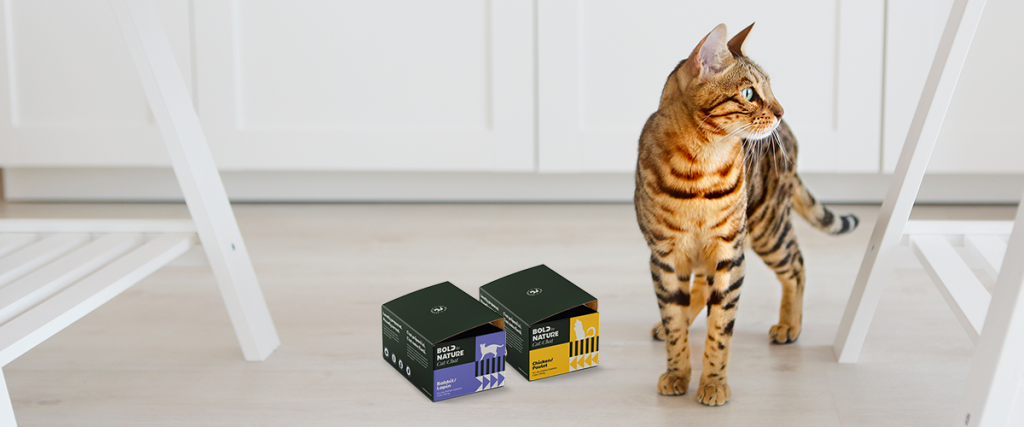
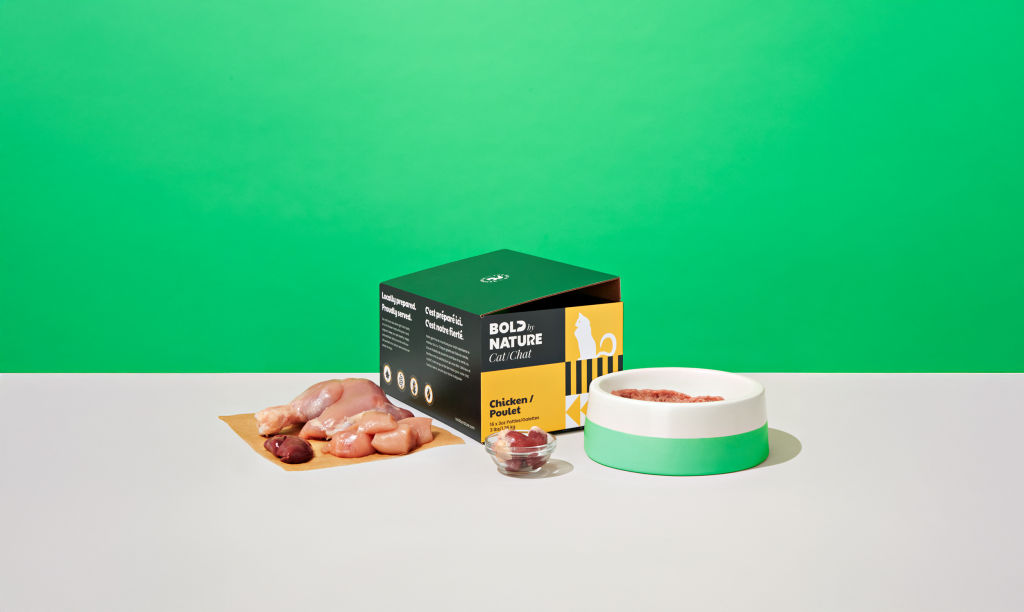
To get the most nutrition, we recommend feeding a delicious Bold by Nature Cat recipe to your pet, like our raw chicken cat food or raw rabbit cat food. They contain no synthetic vitamins, minerals, or preservatives and are free of any excess additives, making it one of the best options for cat food for digestive issues. Keeping the diet as simple as possible with only meat, bone, and organs keeps your cat happy and make staying on top of your cat’s digestion issues easier to manage.
Our Bold by Nature Cat recipes are also rich in taurine, an essential amino acid that is crucial to your cat’s healthy lifestyle and makes it a great choice of cat food for digestive issues. Essential amino acids are amino acids that the body cannot synthesize on its own, making them a significant part of your cat’s diet. Taurine itself plays a strong role in supporting your cat’s vision, digestion, heart, and muscle function while helping to maintain a strong immune system.
Gastroenteritis in cats refers to inflammation of the gastrointestinal tracts, which simply means the stomach and intestines. It can be caused by several things, like infection with bacteria, viruses, parasites, medications, and even new foods.
It can cause a couple of cat digestive problems, like vomiting and digestive upset, but can be quickly treated with a trip to your holistic veterinarian. The principal treatment of gastroenteritis consists of rehydration and the restoration of blood electrolyte balance.
A raw diet may help your cat who is suffering from hyperthyroidism! Since cats who suffer from hyperthyroidism experience digestive upset, a raw diet is a healthy and welcome addition to their lifestyle. Our Bold by Nature Cat recipes are easier on the stomach and don’t contain any filler ingredients, making them an exceptional choice of cat food for digestive issues. Consuming food that is far more digestible means it is easier for your cat to absorb the nutrients in its food, promoting better overall weight, body condition, and helping to relieve your cat of stomach issues. If you’re interested in learning more about cats with hyperthyroidism, check out our blog post!
Just like us, a healthy diet can do a world of wonders for cats living with health issues. Cat raw food diets in particular can actually be a game-changer!
First, we recommend feeding a raw diet for cats with kidney disease. Diets with low protein content may cause weight loss in your cat with kidney disease, so our Bold by Nature cat formulas ensure they’re getting all the protein they need to pack on a few more pounds. Cats with kidney disease also need to drink more water, and each Bold by Nature formula is provides your pet with a hydrating boost at every meal. The American Veterinary Medical Association says that up to 20% of cats develop chronic kidney disease, so this is important information to keep in mind.
Raw is also a great choice of cat food that helps with allergies. As single-protein diets, they’re ideal to feed, as pinpointing specific allergens becomes much easier than traditional kibbles and dry foods, which can contain upwards of 30 ingredients.
If you’re looking to get your cat on a Bold by Nature diet, you can buy raw cat food either online or at your local pet food retailer. Use our location finder to discover retailers near you that carry Bold by Nature products.
Rotational feeding isn’t just a trend—it’s an approach that delivers real benefits at the bowl. It supports improved nutrition, better
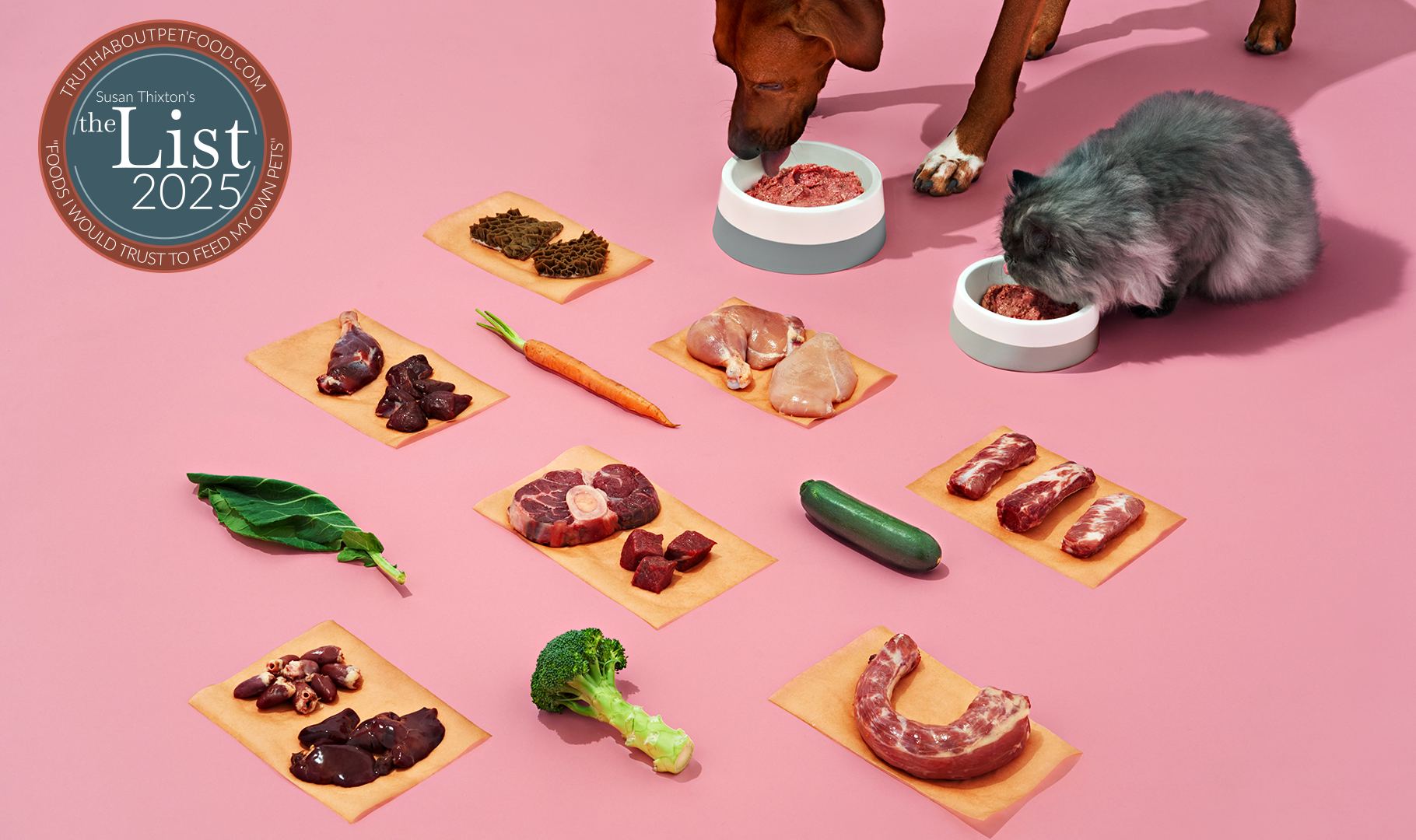
Why Trust Matters: Examining the 2025 “List of Pet Foods We Trust to Give Our Own Pets” When it comes